0
0


May 25, 2026
The Complete Beginner’s Guide to Taking a Pottery Class in Singapore
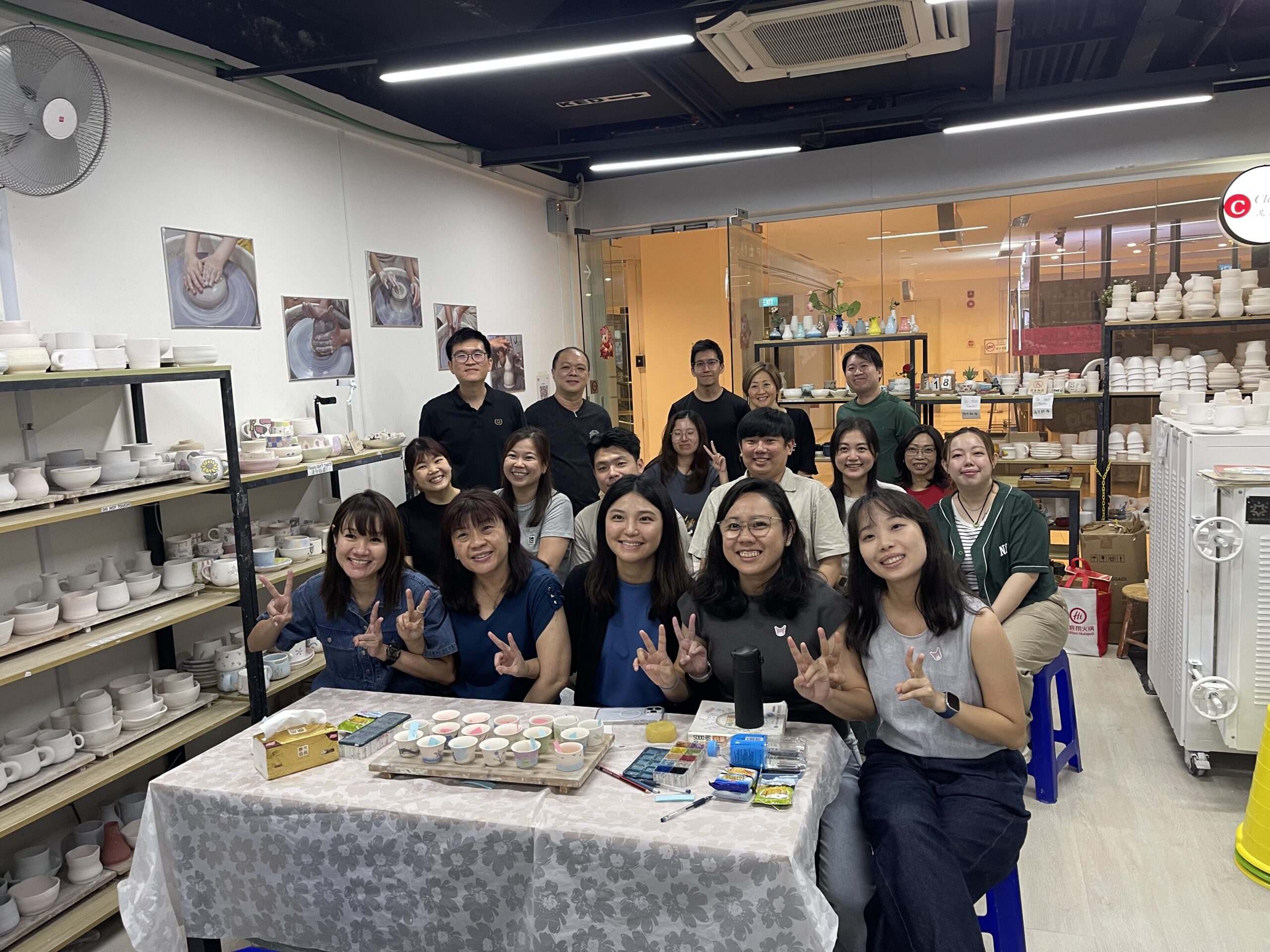
If you’ve ever thought about trying pottery but weren’t quite sure where to start, you’re not alone. From wheel throwing videos online to beautifully crafted ceramics in cafés, it’s easy to feel curious, but also slightly intimidated.
The good news? Joining a pottery class in Singapore for beginners can be far more accessible than you might think. You don’t need artistic skills, prior experience, or even a clear idea of what to make. All you need is a bit of curiosity and a willingness to try.
This guide walks you through everything you need to know before stepping into your first pottery studio.
Why Pottery Is Gaining Popularity in Singapore
In a fast-paced city, more people are looking for activities that feel meaningful and hands-on. Pottery stands out because it offers something different from typical leisure options.
It combines:
- Creativity without pressure – You’re free to explore ideas and experiment with clay at your own pace, without worrying about getting everything “right”. It’s about expression, not perfection.
- Focus without stress – The process naturally draws your attention in, helping you concentrate on simple, hands-on tasks without feeling overwhelmed or rushed.
- A tangible outcome you can keep – At the end of the experience, you’ll have your own handmade pottery pieces, something personal that reflects the time and effort you put into creating it.
Whether it’s for a date, a group activity, or simply some personal time, pottery workshops in Singapore have become a go-to for those seeking a more grounded experience.
What Happens in a Pottery Class?
A Step-by-Step, Beginner-Friendly Experience
One of the biggest misconceptions is that pottery is difficult or requires natural talent. In reality, most sessions are designed for complete beginners.
In a typical pottery workshop in Singapore, you’ll be guided through:
- Basic techniques for handling clay
- Shaping and forming your pottery pieces
- Simple finishing touches
Instructors are there to guide you at every stage, so you’re never left figuring things out on your own.
Understanding the Different Types of Pottery Classes
Not all pottery experiences are the same. Before booking, it helps to understand the main types available.
Wheel Throwing
This is the classic pottery technique most people recognise. Clay is placed on a spinning wheel, and you shape it using steady hand movements as it rotates. It may look effortless, but it takes a bit of coordination and patience to get used to.
In a beginner session, you’ll learn how to centre the clay, control the wheel speed, and gradually form shapes like cups or bowls. It can feel slightly challenging at first, but that’s part of what makes it rewarding. Once you find your rhythm, the process becomes almost meditative, many participants describe it as one of the most satisfying parts of pottery making.
Handbuilding Pottery
Handbuilding offers a more relaxed and flexible way to work with clay. Instead of using a wheel, you shape your pottery pieces using your hands and simple tools, which makes it much easier to pick up for first-timers.
Common techniques include pinching, coiling, and slab building, allowing you to create anything from small dishes to more creative, sculptural forms. Because there’s no spinning wheel involved, you can take your time and focus on the design, texture, and details.
For many beginners, handbuilding feels less intimidating and more freeing, as there’s no pressure to achieve symmetry or precision.
Pottery Painting
If you’re looking for something even more straightforward, pottery painting is a great place to start. Instead of shaping clay from scratch, you’ll work with ready-made ceramics and focus purely on design.
You can choose a piece, such as a mug, plate, or bowl, and personalise it with colours, patterns, or simple illustrations. It’s a more relaxed, low-pressure activity that still allows for creativity, making it especially popular for casual outings or group sessions.
While it’s less technical than other forms of ceramic making, it still gives you a finished piece that reflects your personal style, something you can use or keep as a reminder of the experience.
Each option offers a different experience, so you can choose based on your comfort level and interest.
What You’ll Actually Make
It’s natural to wonder what your final piece will look like.
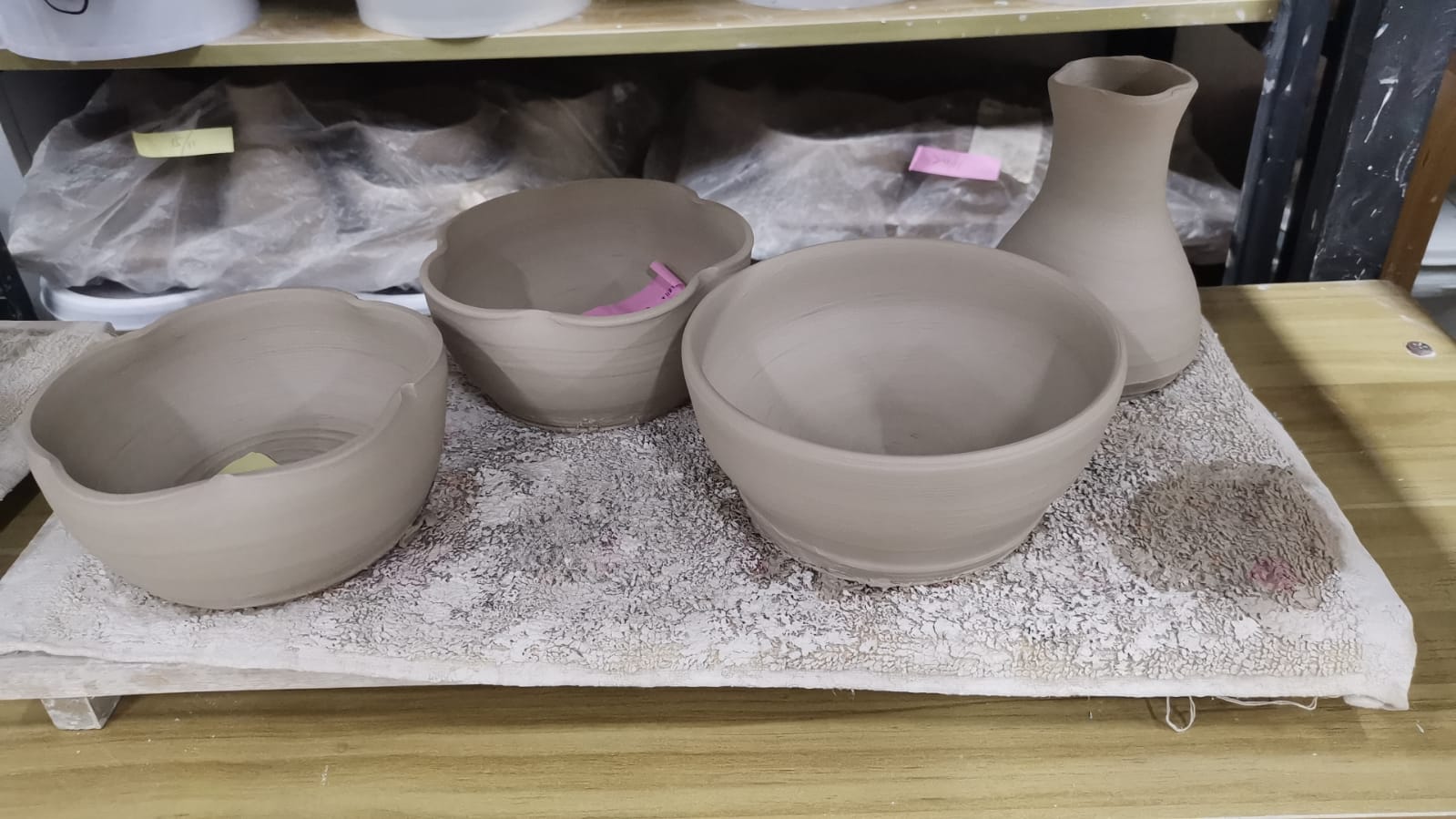
In your first session, you might create:
- A small bowl or dish
- A cup or mug
- A simple decorative piece
Your pottery pieces may not turn out perfectly, and that’s completely normal. Handmade pottery often includes small imperfections, especially for beginners. These details are part of the charm and make each piece unique.
The Full Pottery Process (What Happens After Class)
Why You Can’t Take Your Piece Home Immediately
One common surprise for first-time participants is that their ceramics aren’t ready to bring home right away.
After your class, your pottery pieces go through several stages:
- Drying – The clay needs time to air dry
- First firing (bisque firing) – The piece is hardened in a kiln
- Glazing – A finish is applied for colour and durability
- Final firing – The piece is fired again to complete the process
This usually takes a few weeks. While it requires some patience, it also builds anticipation, making the collection feel more special when the time comes.
How to Choose the Right Pottery Class
Consider Your Goals
Start by asking yourself what you’re looking for.
- Want to try something new casually? → A short pottery workshop
- Interested in learning a skill? → A more structured class
- Looking for a group activity? → Book a shared session
Understanding your goal helps narrow down the best option.
Think About the Experience You Prefer
Different sessions offer different vibes.
- Wheel throwing is more structured and technique-focused
- Handbuilding pottery is more relaxed and creative
- Painting sessions are simple and low-pressure
There’s no wrong choice, it depends on what feels comfortable for you.
Check the Group Size and Setting
Some people prefer smaller, quieter sessions, while others enjoy group environments. A well-designed studio will balance guidance with a relaxed atmosphere, so you can learn without feeling rushed.
At Clayable, we keep our sessions approachable and welcoming, so participants can focus on the experience rather than performance.
What to Expect on Your First Visit
Before You Arrive
You don’t need to prepare much. Most studios provide all the materials, tools, and guidance needed.
It’s best to:
- Wear something comfortable
- Keep nails short (helps when handling clay)
- Come with an open mind
During the Session
Your instructor will demonstrate techniques before guiding you through your own piece. There’s no expectation to get everything right on the first try.
Expect:
- A mix of instruction and hands-on practice
- Time to experiment and adjust
- A relaxed pace throughout
After the Session
Once your piece is complete, it will be handled by the studio for firing and finishing. You’ll be informed when it’s ready for collection.
Common Concerns (And Why You Shouldn’t Worry)
“What if I’m not creative?”
You don’t need to be. Pottery is about the process, not artistic perfection. Many participants discover creativity simply by trying.
“Is pottery difficult?”
It can feel unfamiliar at first, but that’s part of the experience. With guidance, it becomes enjoyable quickly.
“Will my piece look good?”
It might not look perfect, and that’s okay. Handmade ceramics are valued for their individuality, not uniformity.
“Can I take my pottery home immediately?”
Not quite. Pottery pieces need time to dry, be fired, and be glazed before they’re ready. While this takes a few weeks, it ensures your ceramics are properly finished and long-lasting.
“Do I need to bring anything?”
No preparation is needed. We provide all the materials and tools, you just need to come in comfortable clothing and be ready to try something new.
Why Pottery Feels So Rewarding
There’s a reason people return to pottery after their first session.
It offers:
- A break from screens and daily routines
- A sense of accomplishment from creating something tangible
- A calming, almost meditative experience
Unlike many activities, you leave with something you made yourself, and that adds a different kind of value.
Exploring Pottery Lessons in Singapore Long-Term
If you enjoy your first session, you might consider continuing with more regular pottery lessons Singapore offers.
Over time, you can:
- Improve your technique
- Try different styles of pottery making
- Create more refined and functional pieces
What starts as a one-time experience can easily grow into a hobby.
Conclusion: Starting Your Pottery Class Singapore Journey
Trying a beginner pottery class in Singapore can be one of the simplest ways to step into something creative and rewarding. From clay-making Singapore sessions to guided pottery workshops, the experience is designed to be approachable, relaxing, and meaningful.
You don’t need to get everything right, you just need to start.
If you’ve been thinking about giving pottery a go, our workshops at Clayable are designed with beginners in mind. Whether you’re exploring wheel throwing, handbuilding pottery, or a simple introduction to ceramic making, we’ll guide you through the process step by step.
Reach out to us and let us know what you’re looking for, and we’ll help you find a session that suits you.
You May Also Like